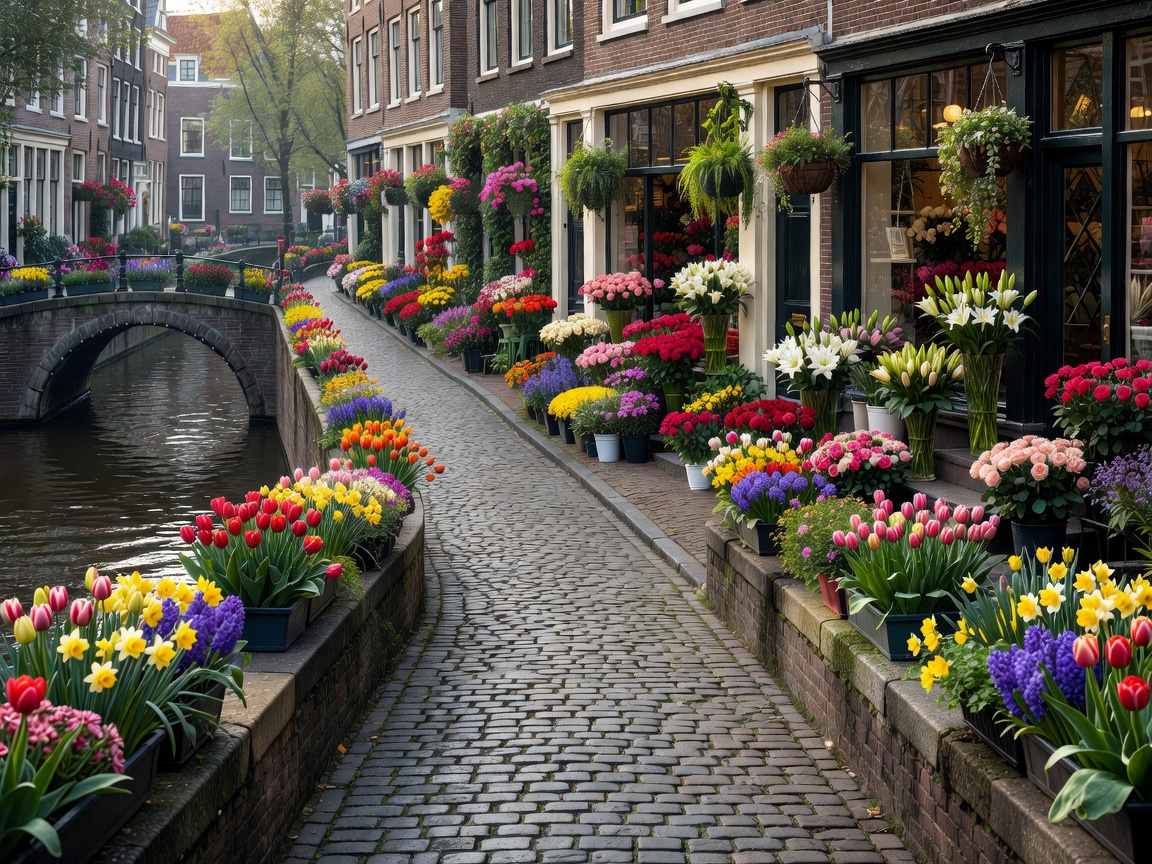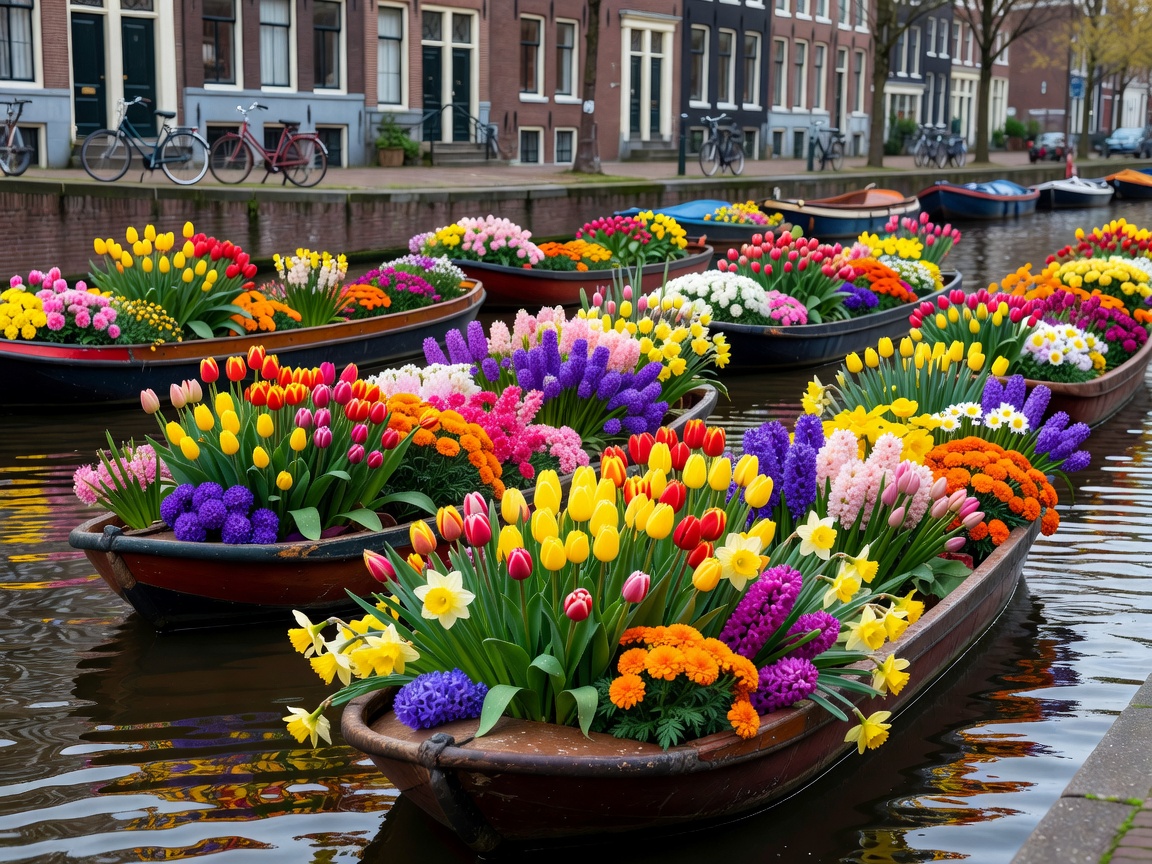
Bloemenmarkt: The Historic Floating Stalls
How nineteenth-century canal barges transformed into the world's only floating floral bazaar. Learn stall numbers, barge anatomy, and authentic vendor offerings.
Immerse yourself in centuries of floral trade along the Singel canal. Discover the floating market stalls, historic bulbs, seasonal blossoms, and practical guides for taking Dutch horticultural craftsmanship home.
Five comprehensive guides to planning your visits, navigating export rules, and appreciating the canal-based floral commerce.
How nineteenth-century canal barges transformed into the world's only floating floral bazaar. Learn stall numbers, barge anatomy, and authentic vendor offerings.
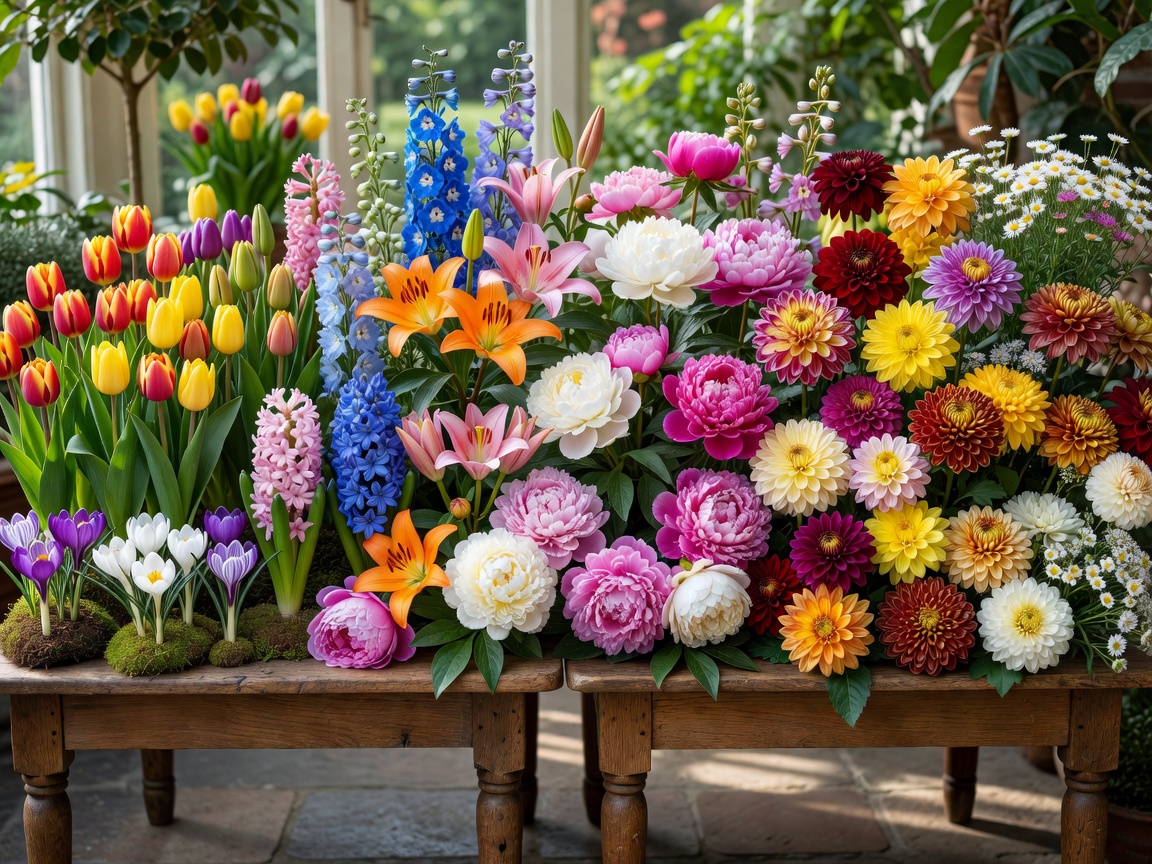
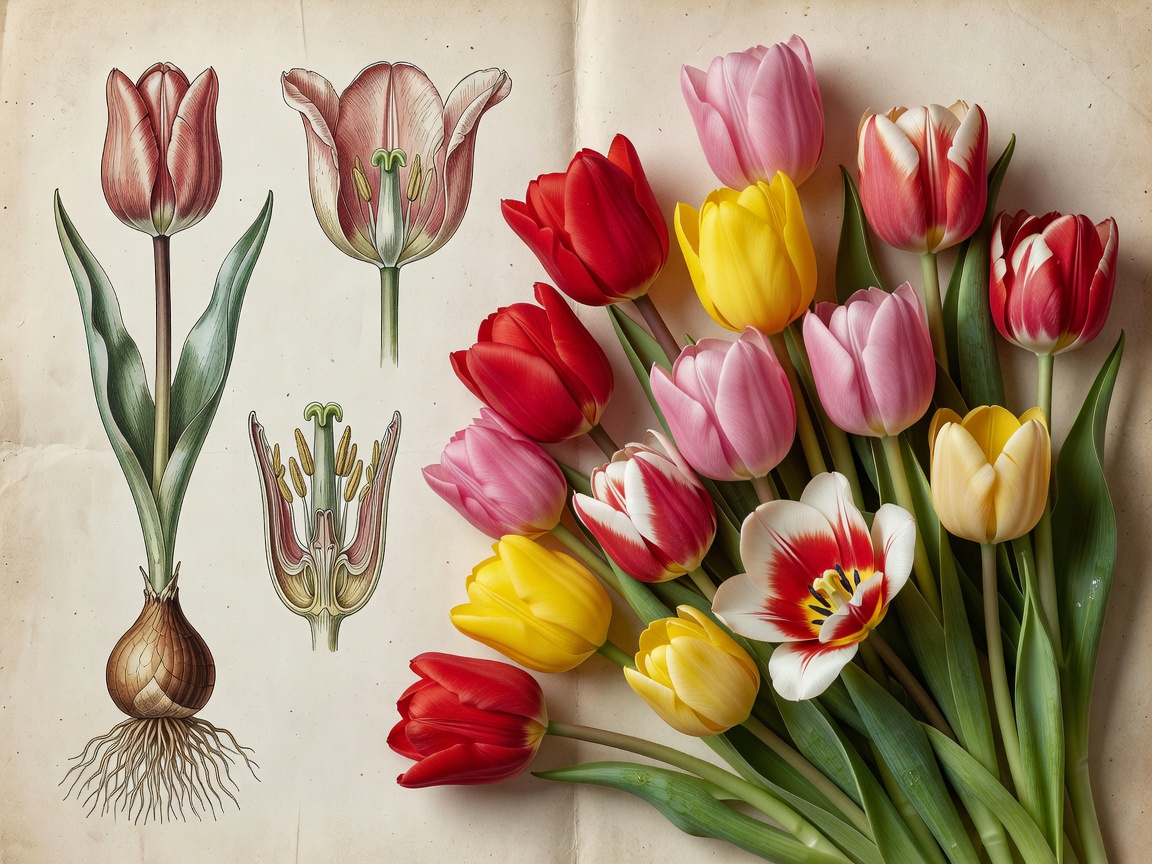
Trace the tulip's passage from Ottoman courts to seventeenth-century Dutch speculative frenzy, and witness how selective breeding shapes today's commercial cultivars.
Timing is everything in the Netherlands. Review month-by-month availability charts across spring tulips, summer peonies, late hydrangeas, and autumn bulb packing.
A three-stage walking route linking Koningsplein, Muntplein, the Jordaan courtyard gardens, and artisanal flower ateliers hidden within historic canal houses.
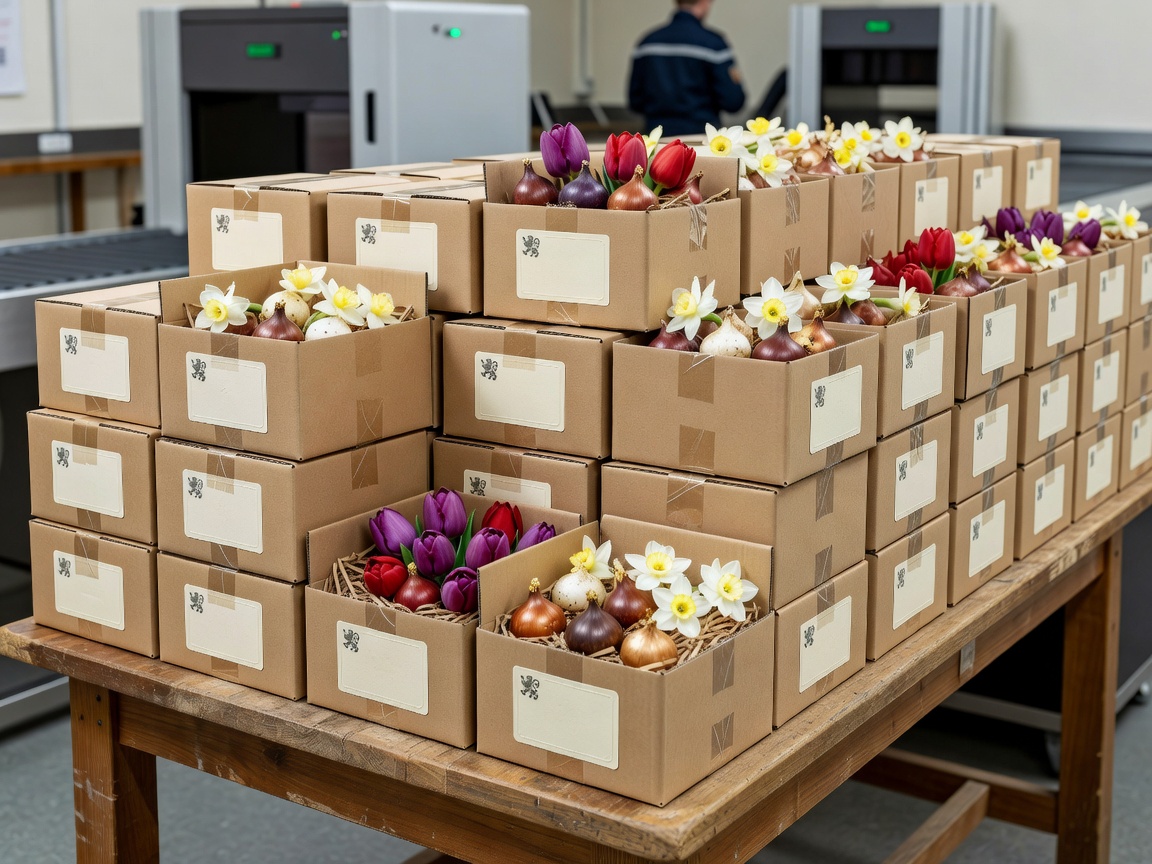
Critical legal guidance on phytosanitary certificates, certified package stamps, pre-potted plants, and avoiding tourist traps selling non-viable dried stock.
Understanding how Amsterdam's market stalls transform their displays across the four seasons.
Cut tulips in hundreds of cultivar varieties arrive fresh from nearby greenhouse and field auctions. Hyacinths, daffodils, and muscari create heady scents along the Singel.
Delphiniums, gigantic peonies, sunflower sheaves, and gladioli replace bulbs. Market stalls shift attention to freshly tied bouquets and ornamental canal greenery.
The primary season for dormant bulbs. Freshly dug, cured tulip, allium, and narcissus bulbs arrive in dry crates ready for autumn garden planting before the frost.
Amaryllis kits, forced paperwhites, spruce garlands, and early greenhouse tulips begin appearing as growers kickstart springtime inside climate-controlled facilities.